
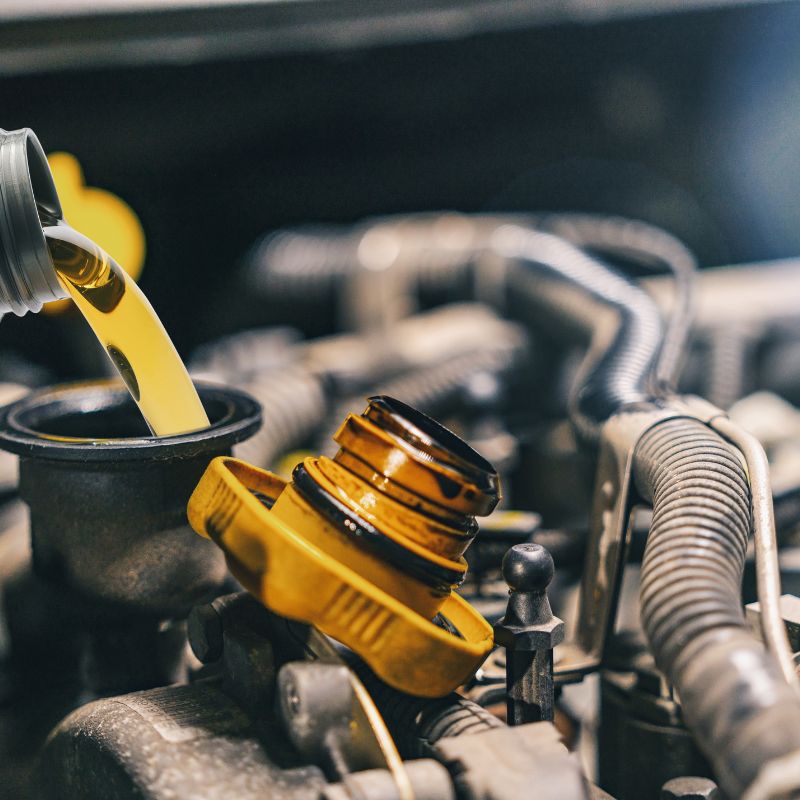
Choosing the right engine oil can feel confusing—especially if you’re new to vehicle maintenance. With different oil types, viscosity ratings, and labels, it’s easy to wonder what actually matters. The good news is that once you understand the basics, selecting the right engine oil becomes much simpler.
This beginner’s guide explains the main types of engine oil, what they’re used for, and how to choose the best option for your vehicle.
What Is Engine Oil and Why Does It Matter?
Engine oil lubricates the moving parts inside your engine, reducing friction and heat while preventing wear and corrosion. It also helps keep the engine clean by carrying away dirt and contaminants.
Using the correct oil type ensures:
-
Smooth engine operation
-
Better fuel efficiency
-
Longer engine life
-
Protection in extreme temperatures
Using the wrong oil can reduce performance and, over time, cause serious engine damage.
The Main Types of Engine Oil
There are four primary engine oil types used in most vehicles today.
1. Conventional Motor Oil
Conventional oil is the most basic type of engine oil and is derived from refined crude oil.
Best for:
-
Older vehicles
-
Light-duty driving
-
Engines with simple designs
Pros:
-
Affordable
-
Widely available
-
Suitable for low-mileage engines
Cons:
-
Breaks down faster
-
Requires more frequent oil changes
-
Less protection in extreme temperatures
Conventional oil is often used in older vehicles or cars that follow short oil change intervals.
2. Synthetic Blend Oil
Synthetic blend oil combines conventional oil with synthetic oil additives to improve performance.
Best for:
-
Moderate driving conditions
-
Vehicles that tow or carry heavy loads
-
Drivers wanting better protection without full synthetic cost
Pros:
-
Better protection than conventional oil
-
Improved resistance to breakdown
-
More affordable than full synthetic
Cons:
-
Not as long-lasting as full synthetic
This oil type offers a balance between cost and performance.
3. Full Synthetic Oil
Full synthetic oil is chemically engineered to provide maximum protection and performance.
Best for:
-
Newer vehicles
-
High-performance engines
-
Extreme temperatures (hot or cold)
-
Extended oil change intervals
Pros:
-
Superior lubrication
-
Excellent temperature stability
-
Reduced engine wear
-
Cleaner engine performance
Cons:
-
Higher upfront cost
Although more expensive, full synthetic oil often saves money long-term by reducing engine wear and extending oil change intervals.
4. High-Mileage Oil
High-mileage oil is specially formulated for vehicles with 75,000 miles (120,000 km) or more.
Best for:
-
Older vehicles
-
Engines with minor leaks or oil consumption issues
Pros:
-
Helps reduce oil leaks
-
Protects worn seals and gaskets
-
Improves engine longevity
Cons:
-
Slightly more expensive than conventional oil
High-mileage oil can extend the life of older engines when used consistently.
Understanding Oil Viscosity Ratings
Oil viscosity refers to how thick or thin the oil is. It’s shown by numbers like 5W-30 or 0W-20.
What the numbers mean:
-
The first number (before “W”) indicates cold-weather performance
-
The second number shows oil thickness at operating temperature
For example:
-
0W-20 flows quickly in cold weather and stays thin when hot
-
5W-30 offers slightly thicker protection at high temperatures
Always follow your vehicle manufacturer’s recommended viscosity.
How to Choose the Right Oil for Your Vehicle
To choose the correct engine oil, consider:
-
Manufacturer recommendations (owner’s manual)
-
Vehicle age and mileage
-
Driving conditions (city, highway, towing)
-
Climate and seasonal temperatures
Using the wrong oil type or viscosity can reduce protection and affect warranty coverage.
Synthetic vs Conventional: Which Is Better?
There’s no one-size-fits-all answer.
-
Conventional oil is fine for older vehicles with light use
-
Synthetic oil is better for newer engines, heavy driving, or extreme climates
Most modern vehicles are designed to perform best with synthetic or synthetic blend oils.
Common Engine Oil Myths
“Synthetic oil causes leaks”
False. Synthetic oil does not cause leaks—it may reveal existing worn seals.
“You can switch oil types anytime”
Mostly true, but always confirm compatibility and viscosity.
“Thicker oil is better”
Not always. Thicker oil can reduce flow and harm engine performance.
Frequently Asked Questions
How often should oil be changed?
It depends on oil type and vehicle, but synthetic oils generally last longer.
Can I mix oil types?
Mixing is not recommended unless absolutely necessary.
Does oil type affect fuel efficiency?
Yes. Proper oil reduces friction and improves efficiency.
Do electric vehicles need engine oil?
No. Electric vehicles do not use engine oil, but hybrids do.
Protect Your Engine with the Right Oil
Understanding engine oil types helps you make informed decisions that protect your vehicle and extend its lifespan. Choosing the right oil ensures better performance, fewer repairs, and peace of mind.
📞 For more information or help choosing the right engine oil, call (780) 457-7587.