
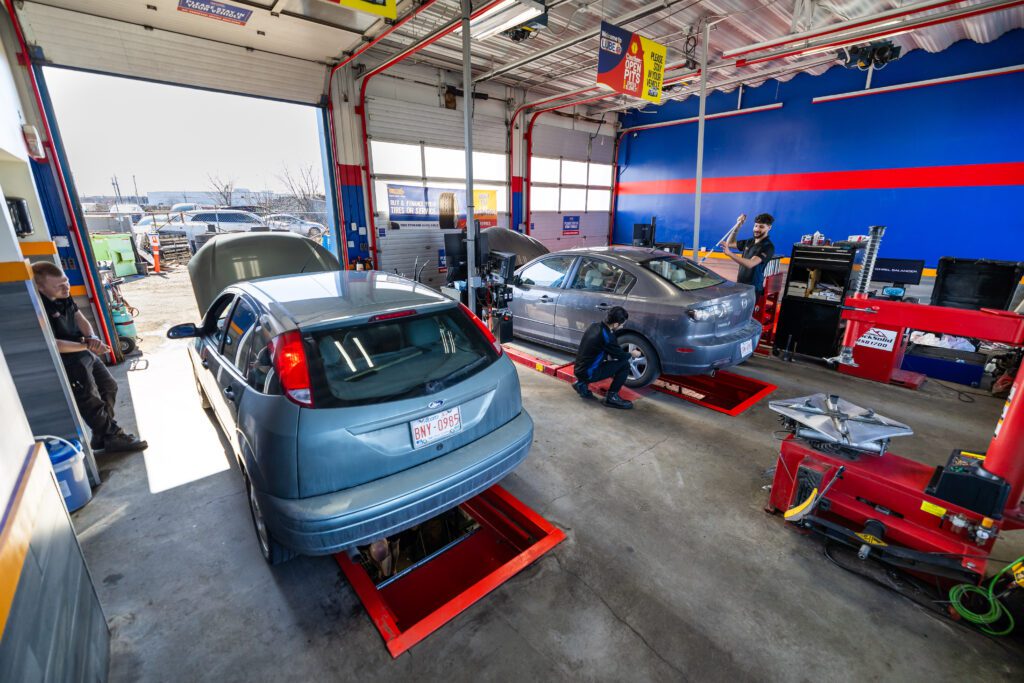
An oil change is one of the simplest and most important maintenance, services you can do for your vehicle. It keeps your engine running smoothly, improves fuel efficiency, prevents costly repairs, and helps your car last longer. Yet many drivers delay or skip oil changes, not realizing how quickly that decision can lead to engine damage.
Below, we break down what an oil change is, why it matters, how often you need one, and what happens if you don’t—in plain, easy-to-understand terms.
What Is an Oil Change?
An oil change is the process of removing old, dirty engine oil and replacing it with clean, fresh oil, along with installing a new oil filter.
What engine oil does:
-
Lubricates moving engine parts
-
Reduces friction and heat
-
Prevents metal-on-metal wear
-
Carries away dirt and debris
-
Helps protect against corrosion
Over time, oil breaks down due to heat, contaminants, and engine stress. When this happens, it can no longer protect your engine effectively—making regular oil changes essential.
What Happens During an Oil Change?
A standard oil change includes several key steps:
-
Draining the old oil from the engine
-
Removing and replacing the oil filter
-
Adding the correct type and amount of new oil
-
Inspecting for leaks or visible issues
-
Resetting the oil life monitoring system (if applicable)
Some service centers may also perform a quick visual check of fluids, belts, and hoses as part of the service.
Why Is an Oil Change So Important?
1. Prevents Engine Wear and Damage
Your engine contains hundreds of moving metal parts. Without proper lubrication, friction increases rapidly, leading to premature wear—or complete engine failure.
Clean oil creates a protective barrier that keeps parts moving smoothly.
2. Keeps the Engine Cool
Engine oil helps absorb and distribute heat. Old or degraded oil loses this ability, allowing heat to build up, which can warp components or cause breakdowns.
3. Improves Fuel Efficiency
Dirty oil increases friction, forcing your engine to work harder. A clean oil system allows your engine to run more efficiently, helping you save money at the pump.
4. Extends Engine Life
Routine oil changes are one of the most cost-effective ways to extend the lifespan of your vehicle. Skipping oil changes may save a little now, but often leads to thousands of dollars in repairs later.
5. Reduces Harmful Engine Sludge
When oil isn’t changed on time, it thickens and forms sludge. Sludge restricts oil flow, starves engine parts of lubrication, and can lead to severe engine damage.
How Often Should You Get an Oil Change?
Oil change intervals depend on several factors:
-
Vehicle make and model
-
Type of oil used (conventional, synthetic blend, full synthetic)
-
Driving habits (city driving, towing, extreme temperatures)
-
Manufacturer recommendations
General guidelines:
-
Conventional oil: Every 3,000–5,000 km
-
Synthetic oil: Every 7,000–10,000 km
-
Modern vehicles: Follow the oil life monitor or owner’s manual
If you do a lot of short trips, stop-and-go driving, or heavy-duty use, you may need more frequent changes.
What Happens If You Skip Oil Changes?
Skipping oil changes can lead to serious problems, including:
-
Increased engine friction and overheating
-
Reduced engine performance
-
Sludge buildup blocking oil passages
-
Engine knocking or seizing
-
Complete engine failure
In many cases, oil-related engine damage is not covered by warranty if maintenance schedules aren’t followed.
Signs Your Car Needs an Oil Change
Watch for these common warning signs:
-
Oil change or check engine light is on
-
Engine sounds louder or rougher than usual
-
Dark, gritty oil on the dipstick
-
Burning oil smell inside the car
-
Decreased fuel efficiency
If you notice any of these, it’s best to schedule an oil change as soon as possible.
Choosing the Right Oil for Your Vehicle
Not all engine oils are the same. Using the wrong oil type or viscosity can reduce engine protection.
Your vehicle manufacturer specifies:
-
Oil viscosity (e.g., 5W-30, 0W-20)
-
Oil type (synthetic or conventional)
Using the correct oil ensures:
-
Proper lubrication at all temperatures
-
Better engine performance
-
Protection of engine seals and components
Is an Oil Change Really Worth It?
Absolutely. Compared to the cost of engine repairs or replacement, oil changes are inexpensive preventative maintenance. A routine oil change protects one of the most expensive components in your vehicle—your engine.
Frequently Asked Questions
How long does an oil change take?
Most oil changes take 15–30 minutes, depending on the vehicle and service location.
Can I go over my oil change interval?
Going slightly over may not cause immediate damage, but consistently delaying oil changes increases long-term risk.
Does synthetic oil last longer?
Yes. Synthetic oil is more resistant to breakdown and performs better in extreme temperatures.
Do I need to change the oil filter every time?
Yes. A dirty filter can contaminate new oil and reduce effectiveness.
Is oil change maintenance really that critical?
Yes. Oil is the lifeblood of your engine. Neglecting it is one of the fastest ways to shorten your vehicle’s life.
Keep Your Engine Protected
Regular oil changes are a small investment that delivers big returns in reliability, performance, and peace of mind. Whether you drive daily or occasionally, staying on top of oil changes helps ensure your vehicle runs smoothly for years to come.
📞 For more information or to book an oil change, call (780) 457-7587.